Large Site Logo "Improvising Design"
  • Home
  • Blog
  • Design Emergence
    • The co-design of business & IT systems
    • Improvising Design For Wicked Problems 
    • A Brief History of IS Design
  • Collaboration
    • Knowledge-Sharing In In Collaboration Across Organizational Boundaries
    • Boundary-Spanning Design
  • Soft Systems
    • Systems Thinking
    • Soft Systems Methodology – Intro
    • Step 1: Understand the Problem Situation
    • Step 2: Structure The Situation Around Relevant Purposeful Systems
    • Step 3: Define Root Definitions of Relevant Systems
    • Step 4: Conceptual Models
    • Step 5: Implementing Change
    • Soft Systems Analysis – Insights and Supplementary Tools
    • Summary of SSM
  • About
  • Design-For-Use: Ray and Charles Eames

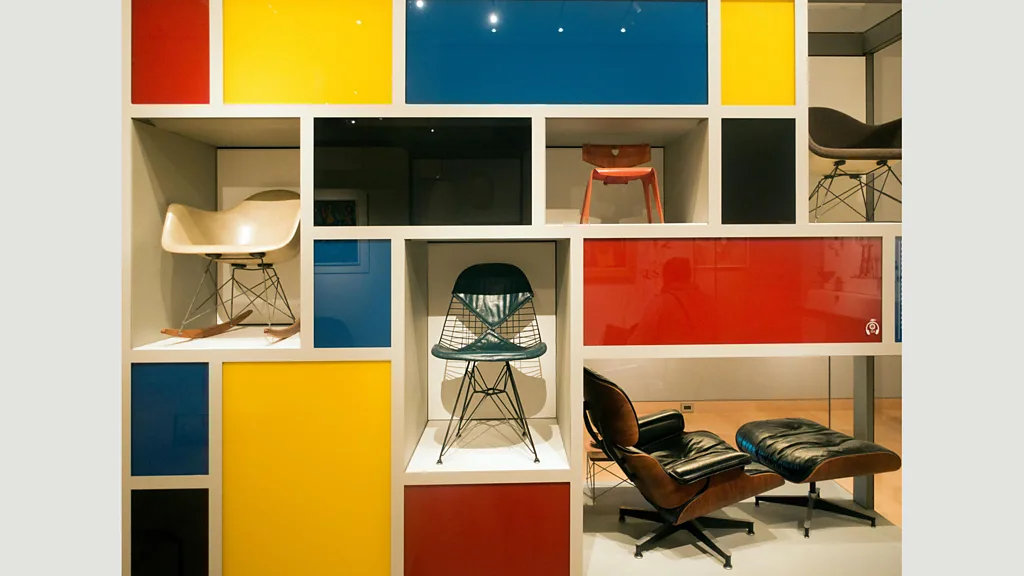
    Design-For-Use: Ray and Charles Eames

    design
    December 28, 2025

The Latest

  • Socio-Technical System Design

    November 4, 2025
  • Designing For Real Users

    October 4, 2025
  • Wicked Problems

    September 19, 2025
  • Appreciative Design & Soft Systems

    August 19, 2025
  • Why Is Design Improvisational?

    April 25, 2025
  • The Relevance of Actor-Network Theory

    September 12, 2024
  • Design as a trajectory of goal-definitions

    design, improvisation

    ·

    August 27, 2009
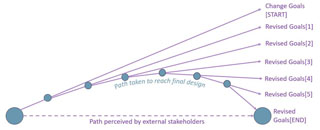
    Design as a trajectory of goal-definitions
Previous Page
1 2
Large Site Logo "Improvising Design"

… taming wicked problems with design

Copyright Notice:

All contents copyright © Susan Gasson, 2011-2026.

The contents of this website may not be sold, incorporated in other online materials, or used in any form without the express consent of the copyright holder. Permission will normally be given for bona fide educational use.

Topics
design trajectory History-of-design materiality wicked problems ANT human-centeredness socio-technical design human-activity systems performativity UX responsive design NSF form-follows-function iterative/recursive design HCI sensitization design patterns appreciative design serendipity iterative design human-centered design SSM networks of practice fitness-for-purpose improvisation user-centeredness organizational change actor-network theory systemic thinking goal emergence

Related Sites

  • Boundary-Spanning Design
  • Wicked Problems
  • Improving Design

Designed with WordPress, Twenty Twenty-Five

© Susan Gasson, Improvising Design, 2011-2026