The Latest
OLDER POSTS
-
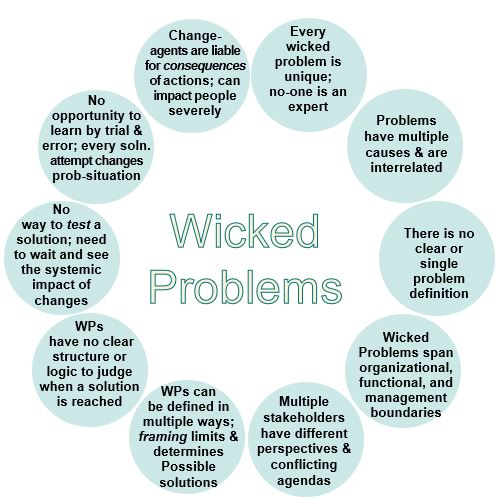
What are Wicked Problems? A wicked problem is one that is just too complex and messy (comprising multiple problem-elements) to be easily defined. As it can’t be defined, it can’t be resolved using regular analysis methods, such as those used to generate IT system requirements. Different stakeholders will define the problem in different ways, depending…
-
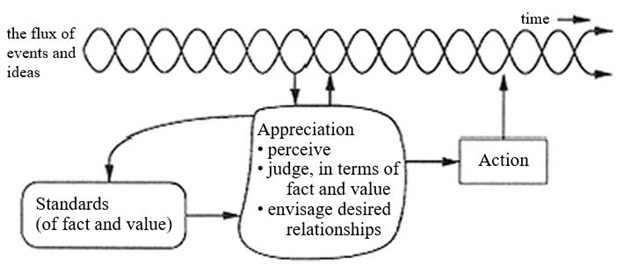
Appreciating The Context of Organizational Activity Human-centered design requires that we understand – or rather, appreciate – the need for changes to a “real-world” situation that is viewed as a governed by business logic and goals – rather than the engineering logic employed for IT system requirements. The intention is to improve how we understand…
-
The focus of IS design has moved “upstream” of the waterfall model, from technical design to the co-design of business-processes and IT systems. This focus requires an improvisational design approach. IT-related organizational innovation deals with wicked problems. Wicked problems tend to span functional and organizational boundaries as business process and information management problems are intertwined. …

-
A recent emphasis on sociomateriality appears to have entered the IS literature because of discussions by Orlikowski (2010) and the excellent empirical study of Volkoff et al. (2007). Now that people have been sensitized to the literature on material practice, actor-network theory is classified as “tired and uninformative” [1]. Which leads me to wonder just…
-
Brown and Duguid’s (2001) concept of a “network of practice” has been niggling away at my consciousness. The idea is that a collection of people are enabled to understand each others’ work because of commonalities in practice, but not to the extent that a Community of Practice creates shared ways of framing and performing work:…

-
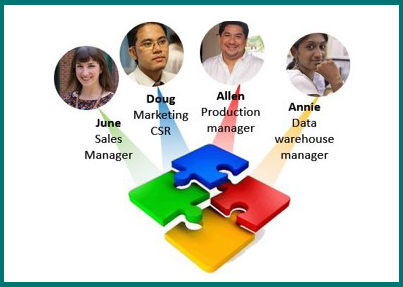
I have been working for a while on comparing the results from some very complex research studies of collaborative design in groups that span disciplines or knowledge domains. I was stunned to realize that I had different types of group activity depending on the sort of organization. By “organization,” I mean the way in which…

-

-
As I ruminate on design processes, I can’t help but reflect on the similarities between research methods, processes and outcomes, and design methods, processes and outcomes. I read an article which argued that there were two types of people: people with tidy offices and people with untidy offices1. Tidy-office people are organized and so can…

-
In the last few years, the terms human-centered and user-centered have become synonymous in HCI and IT design, with a focus on disciplines such as “user experience” and “interaction design.” Here I will argue that neither discipline really deals with the core issues of human-centered design. Human-centeredness in design involves designing technology artifacts, applications, and…

-
While browsing and working on a recent paper, I mused on the missed opportunity of interaction design. Reading Terry Winograd’s (1997) From Computing Machinery to Interaction Design, I was stunned to see how visionary this was, in the context of contemporary HCI thinking which focused on interactions with computer screen interfaces (still, sadly, the main…

-
I was musing about the differences between these three concepts. They are not explained clearly in any resource I could find (although many people take a stab at this), so I thought I’d try bending my brain around the problem. The three types of collectivity appear goal-oriented (as in, sharing a common purpose), but there…

-
I manage the website for an Animal Rescue shelter. I have been struggling with the design of the site for some time now, as I have some users who are still using IE6 under windows XP (on an SVGA screen), some who want to view the site on their mobile phones, and some who have…
-
Recently, I have been using a collaborative social media platform, designed for online learning, to run one of my classes. The idea was, that as we are studying social informatics, we could study the effect of using social media on our own workflows first hand. I also thought that – in these days of daily…

-
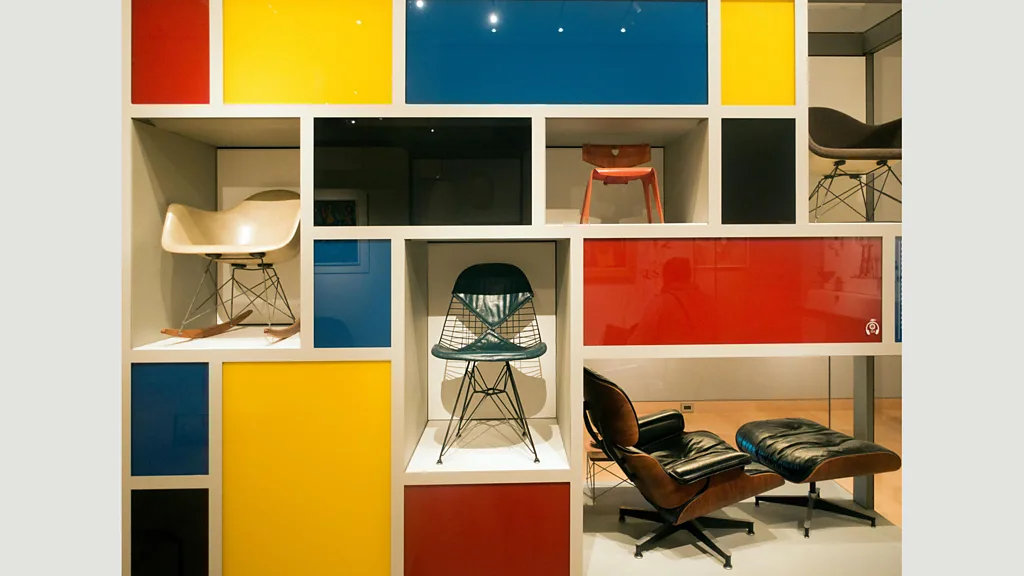
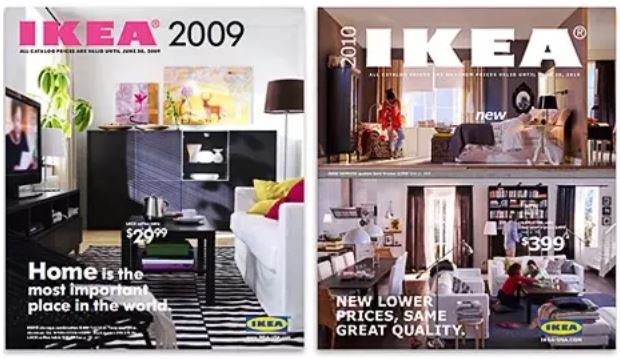
People have been commenting on the change of font used by IKEA for their catalogs since August, when the new catalog came out. IKEA had used the Futura font for 50 years, but made the decision to adopt Microsoft’s Verdana font this year. Apparently, because it translates well to numerous languages. Take a look at…
-
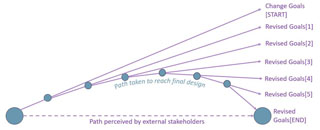
The collaborative design of system solutions for wicked problems seems to follow a trajectory of goals, as the group’s understanding of the design progresses. The key to making (and evaluating) progress is understanding what triggers the changes in goal-direction. From my research studies, it seems that goal changes are triggered by breakdowns in individual buy-in…